

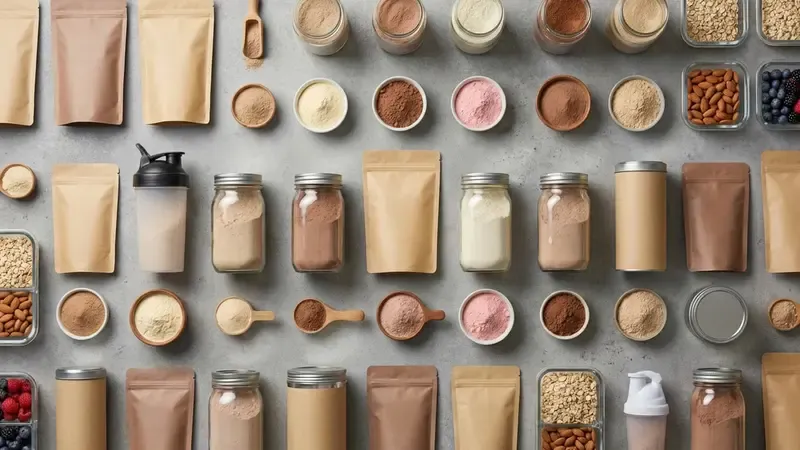
Protein Powder For Meal Prep: Whey, Isolate And Plant Options
Affiliate disclosure: As an Amazon Associate, Meal Prep Tools earns from qualifying purchases. Product links may earn a commission at no extra cost to you. Read our disclosure.
Protein powder can be a convenient ingredient when breakfast or a snack needs a protein source that requires little cooking. It is optional. A useful meal plan can also rely on yogurt, eggs, beans, fish, meat or other foods you enjoy. Before buying a large tub, identify the job it will do: a drink mixed with water, overnight oats, a yogurt bowl or a recipe that will be baked.
Picks are based on manufacturer specifications, published product details and widely reported owner feedback, rather than hands-on lab testing. The comparison focuses on food use and ingredient choices. Formulas, serving sizes and sweeteners vary by flavor and region, so compare the actual label on the tub you intend to buy. This is general food-planning information; talk to a qualified health professional or registered dietitian about individual needs, medical conditions, allergies or supplement suitability.
How to Compare Powders for Real Recipes
Begin with the protein source and allergen statement. Whey comes from milk, including whey isolate. A product described as isolate is not automatically suitable for someone avoiding milk allergens. A plant formula can be useful when avoiding dairy, but it still requires an ingredient and allergen check. Read the exact flavor’s label rather than borrowing information from an unflavored version or a different product line.
Then compare serving weight, protein per labeled serving, sweeteners and the ingredients that affect flavor or thickness. A scoop is a container, not a universal measurement. Two brands can use different scoop sizes, so a simple “one scoop” substitution can change a recipe. Taste reports can reveal recurring concerns such as strong sweetness, foam or a grainy texture, but these are subjective and depend on liquid, temperature and mixing method.
Finally, consider the format you will actually eat. A powder that makes an enjoyable thin shake may not create the thickest yogurt bowl. An unflavored product gives more control over sweetness but can still have a noticeable dairy or plant taste. If certification matters for your sport or purchasing preferences, verify the exact product and current certification listing. A badge does not make every product from the brand equivalent.
- Check the complete ingredient and allergen panel for the exact flavor and market.
- Compare price per labeled serving and serving weight, using the current tub size.
- Buy a smaller package first when flavor and texture are uncertain.
- Choose a powder for a recurring food use, rather than expecting a supplement to replace varied meals.
Comparison at a Glance
| Product | Best fit | Key detail | Main compromise |
|---|---|---|---|
| Optimum Nutrition Gold Standard Whey | People wanting a familiar whey blend for shakes and breakfast recipes | Whey blend; flavor-specific ingredients and serving labels | Milk-based; sweeteners and flavors vary |
| Dymatize ISO100 | Buyers specifically comparing whey-isolate formulas | Hydrolyzed whey isolate product line | Still milk-derived; does not guarantee individual tolerance |
| Naked Whey | Cooks who want an unflavored base and control over sweetness | Unflavored version lists whey protein concentrate as its ingredient | Unflavored does not mean tasteless or dairy-free |
| Garden of Life Sport Plant Protein | People seeking a plant-based option for drinks and breakfast bowls | Plant-protein blend; check the specific SPORT formula | Texture and thickness differ from whey |
| Myprotein Impact Whey | Buyers comparing a conventional whey concentrate across pack sizes | Impact Whey product family; flavor and regional labels vary | Promotions and similarly named versions complicate comparison |
Optimum Nutrition Gold Standard Whey
Who it is for: People wanting a familiar whey blend for shakes and breakfast recipes.
Gold Standard Whey is a practical comparison starting point when you want a flavored dairy powder rather than a specialist baking ingredient. The published formulation is a whey blend, so do not treat the product name as a statement that every gram of powder is protein or that the formula contains only isolate. Read the ingredient order and nutrition panel on the exact flavor you are considering.
For meal prep, consider whether its flavor will work in several foods. A straightforward vanilla or chocolate profile may fit oats and shakes, while a strongly flavored dessert version can dominate a yogurt bowl. Owner opinions about sweetness and mixability are useful signals, not guarantees of your preference. Start with the package’s mixing directions, then adjust the amount used in a recipe gradually rather than replacing flour or yogurt by equal scoop volume.
Pros: multiple flavor choices; usable across drinks and breakfast dishes; published ingredient and serving information.
Cons: contains milk-derived protein; flavored versions may be sweeter than expected; formula varies between flavors and markets.
Product details: Optimum Nutrition formulation information.
Check current price on Amazon for Optimum Nutrition Gold Standard Whey
Dymatize ISO100
Who it is for: Buyers specifically comparing whey-isolate formulas.
ISO100 is positioned around hydrolyzed whey isolate. That makes it a relevant alternative when you are comparing protein sources and the rest of the ingredient panel, rather than shopping only by brand. Dymatize publishes flavor-specific product information. Compare the actual serving weight and additions instead of assuming that the isolate label establishes a better result for every recipe or training goal.
For shakes, begin with the recommended liquid amount. For oats or yogurt, add a little powder at a time because the consistency can change as it hydrates. A thin drink and a spoonable breakfast have different requirements. Do not read hydrolyzed or isolate as allergen-free, or as a promise that you will have no digestive symptoms. If dairy suitability is uncertain, seek individual advice before buying a large container.
Pros: clearly identified isolate-focused product line; published flavor details; straightforward comparison against whey blends.
Cons: milk-derived ingredients; sweetness remains flavor-dependent; isolate label does not establish recipe superiority.
Product details: Dymatize ISO100 product information.
Naked Whey
Who it is for: Cooks who want an unflavored base and control over sweetness.
The unflavored Naked Whey formulation is useful to compare when you want to add your own cocoa, fruit or spices. Its short ingredient list makes it easier to see what the powder contributes, but a short list is not itself evidence of superior health effects. Make sure the selected listing is the unflavored product: flavored versions have different ingredients and should be assessed separately.
A dairy flavor can still come through in a plain yogurt bowl or an otherwise mild recipe. Concentrate also remains a milk product. If you prefer a finished sweet shake, adding flavor yourself is another preparation step rather than an automatic advantage. For a flexible pantry ingredient, however, keeping sweetness separate can make one tub useful for more combinations. Try a modest amount in one serving before mixing a whole week’s breakfast batch.
Pros: simple unflavored ingredient list; control over added sweetness; flexible flavor pairing.
Cons: noticeable dairy taste is possible; milk-derived concentrate; plain version requires your own flavor choices.
Product details: Naked Whey product and ingredient information.
Garden of Life Sport Plant Protein
Who it is for: People seeking a plant-based option for drinks and breakfast bowls.
The SPORT plant-protein line is the dairy-alternative candidate already included in this guide. It makes sense to compare when a plant-based menu is a priority, but read its full ingredient panel for your own allergen needs. Do not substitute a different Garden of Life line on the assumption that the formula, serving size or certifications are identical. Confirm the selected flavor and current product details.
Plant powders can give oats or yogurt a different texture from a whey powder, so use the manufacturer’s liquid guidance as a starting point and adjust gradually. Strong fruit, cocoa or spices may fit a recipe better than expecting the powder to disappear into a very mild base. If you are buying for a sport certification, look up the exact product in the certifier’s current database rather than relying on a general brand claim or an old package photograph.
Pros: plant-based protein option; fits dairy-avoiding meal preferences when the label is suitable; published product-specific information.
Cons: texture may require more liquid; allergen checks still necessary; SPORT and other brand lines are different products.
Product details: Garden of Life SPORT vanilla product details.
Check current price on Amazon for Garden of Life Sport Plant Protein
Myprotein Impact Whey
Who it is for: Buyers comparing a conventional whey concentrate across pack sizes.
Impact Whey is worth comparing when you want a conventional dairy powder and are willing to work through the exact flavor and package options. The product family includes variations across markets, and the name alone does not establish the same formula everywhere. Check that you are comparing Impact Whey Protein rather than isolate, a clear drink or a version with additional ingredients.
The original guide called this a budget pick, but a permanent value ranking would require current like-for-like prices. Instead, compare today’s cost for the same number of labeled servings and include shipping. A larger bag is useful only if you enjoy it and can finish it within the label’s storage guidance. For oats and pancakes, start with a small trial portion; the flavor, sweetness and serving weight should fit the recipe before you multiply it.
Pros: several flavor and package options; conventional whey format; can compare cost by labeled servings.
Cons: milk-derived ingredients; regional and variant differences; promotion price does not establish lasting value.
Product details: Myprotein Impact Whey product family and labels.
A Practical Buying Checklist
First decide whether powder is solving a real gap in your menu. List the breakfasts and snacks you already eat, then compare them with ordinary food options in the high-protein foods guide. The protein calculator can provide a planning estimate, but it does not diagnose a need for supplements or replace advice tailored to you. Choose a food routine you can maintain rather than collecting products with overlapping roles.
Before checkout, confirm the protein source, exact flavor, allergen statement, serving weight, tub size, seller and current price. Check storage instructions and the seal when it arrives. If a label or ingredient list differs from the listing, resolve the discrepancy before using it. Avoid paying extra for a claim you do not need or cannot verify. Keep a photo of the actual label if you track recipe ingredients.
Make Oats, Yogurt and Smoothies Easier to Repeat
For oats, mix powder with some of the recipe’s liquid first, then combine with the rest. Leave room to adjust after chilling because oats, chia and some powders thicken as they hydrate. For yogurt, stir a small amount into a single serving before preparing several containers. For smoothies, add liquid according to the blender instructions and pause if a thick mixture stops circulating.
Do not replace flour one-for-one with protein powder in a baked recipe. The ingredients behave differently, and large substitutions can create a dry or dense result. Use a recipe designed for the powder type or change one small batch first. Keep dry powder sealed and dry according to the label. Once mixed into milk, yogurt or another perishable food, it follows that food’s refrigeration and storage requirements; powder does not extend freshness.
Frequently Asked Questions
Which powder is best for building muscle?
No powder here guarantees a training outcome. Choose a suitable protein source that fits your overall food intake, preferences and budget. Training, recovery and the rest of your diet also matter. A qualified professional can help assess individual goals and supplement suitability.
Is whey isolate automatically safe for milk allergy?
No. Whey isolate is milk-derived. Read the allergen statement and seek professional advice for an allergy. Do not rely on isolate, hydrolyzed or low-lactose wording as a substitute for an allergy assessment.
Can I prepare all my shakes on Sunday?
It is often simpler to portion the dry powder and mix it near serving time. Prepared shakes need refrigeration and should follow the shortest relevant ingredient storage guidance. Do not leave a milk-based shake at room temperature throughout the day.
Do I need a full scoop in every recipe?
No. A recipe amount can differ from the label’s serving size. Use a measured amount that works for the texture and your meal plan. If you calculate nutrition, use the actual powder weight and the label for that flavor rather than assuming all scoops are equivalent.
Plan Your Next Prep Session
- Compare ordinary high-protein foods
- Estimate protein for meal planning
- Understand calorie planning estimates
- Try overnight oats
- Try a protein smoothie bowl
Read how Meal Prep Tools chooses products and handles corrections. Updated .

